
NEW CHEMICALS FROM WASTE
How EveryCarbon is upgrading biogas plants
Your Challenge:
Circular Biomanufacturing

Until now, our manufacturing processes have almost entirely been based on the use of newly, mined raw materials with not enough coming from the recycling of waste streams. This places an enormous burden on the environment and our society. In addition, dependencies remain in global supply chains that could be reduced through access to local materials.
Instead, we can create a circular economy in which new products are manufactured locally, using valorized waste streams as a source for raw materials, to build more sustainable and resilient production platforms.
To achieve this, biomanufacturing processes must be developed to market maturity and directly integrated with modern production processes. Scientific advances in recent years have produced new findings and methods that can significantly increase the performance of biomanufacturing processes and open up new application possibilities. Although alternative ways of producing a wide range of products to replace the conventional petrochemical or chemical manufacturing processes have gone to market, breakthroughs have so far only been achieved in niche applications. We need to reach the goal where the majority of bulk products are made through biomanufacturing processes that enable the use of locally available raw materials.
00:00
The prototype must demonstrate how carbonaceous waste streams can be processed and fed to microbes as food. The overall bioproduction process shall not use E. Coli or Saccharomyces cerevisiae and shall demonstrate continuous production over a period of at least 180 days during the Challenge. At the end of the process, at least three different products should be produced using a modern manufacturing process, such as additive manufacturing.
The Challenge started in November 2023 and runs over a three-year period. A panel of globally recognized experts assisted SPRIND in evaluating the applications and selected the participating teams. During the Challenge period, teams further develop their bioproduction technology to achieve the Challenge goal.
Teams participating in this Challenge are fully challenged. SPRIND therefore provides intensive and individual support. In order to unleash the full potential, SPRIND provides a coach to accompany each team's work, advise them and network them. After one year and after two years, the jury reconvened in each case to evaluate the interim status and decided which approaches have the greatest breakthrough innovation potential and which teams can prove themselves in the Challenge until the end.
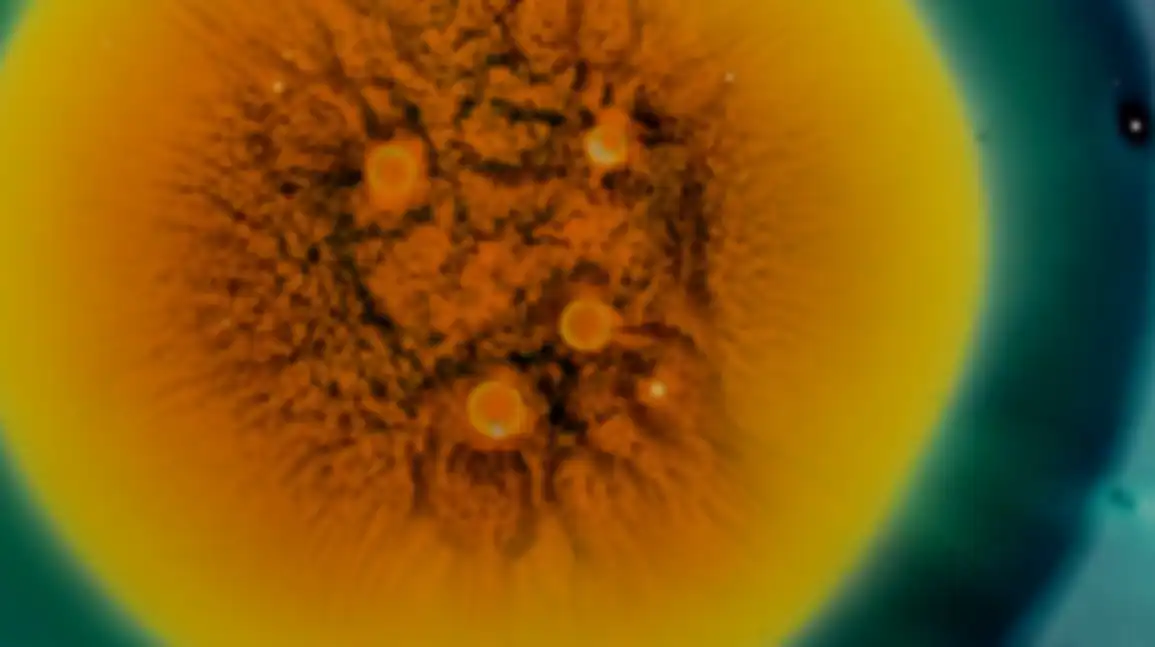
In October 2025, the expert jury selected the participants for the third stage of the Circular Biomanufacturing Challenge. Over the next twelve months, five teams will each receive up to €2.5 million to further develop their technology. The teams will also be supported and advised by SPRIND and connected with other experts and coaches. At the end of the year, a decision will be made as to which teams will win the challenge.
Science Youtuber Jacob Beautemps introduces the Challenge teams at Breaking Lab
Please feel free to contact us at challenge@sprind.org.
More about this topic
More Challenges and Funken
How EveryCarbon is upgrading biogas plants
I really found it awful, they were so boring,the 35-year-old recalls. That all changed when he joined Prof. Johannes Gescher's research group:
It was about a completely different kind of biology: sustainability, technology and wastewater. That fascinated me.Instead of doing a teacher traineeship, Sebastian Beblawy went on to do a PhD, devoting himself entirely to sustainable biotechnology. But neither his academic career nor a subsequent career as a consultant in the biotechnology industry fully satisfied him:
Eventually, I reached a point where I returned to my PhD supervisor and said I was ready to start my own company.Coincidentally, the SPRIND Circular Biomanufacturing Challenge was announced at the same time.
I knew it was my call,says Sebastian Beblawy,
and then I was accepted. I resigned the very next day.
EveryCarbon, which now employs six people.
Only six weeks passed between the approval of the funding and the start of the project,says a satisfied Sebastian Beblawy who continues to work closely with the Hamburg University of Technology.
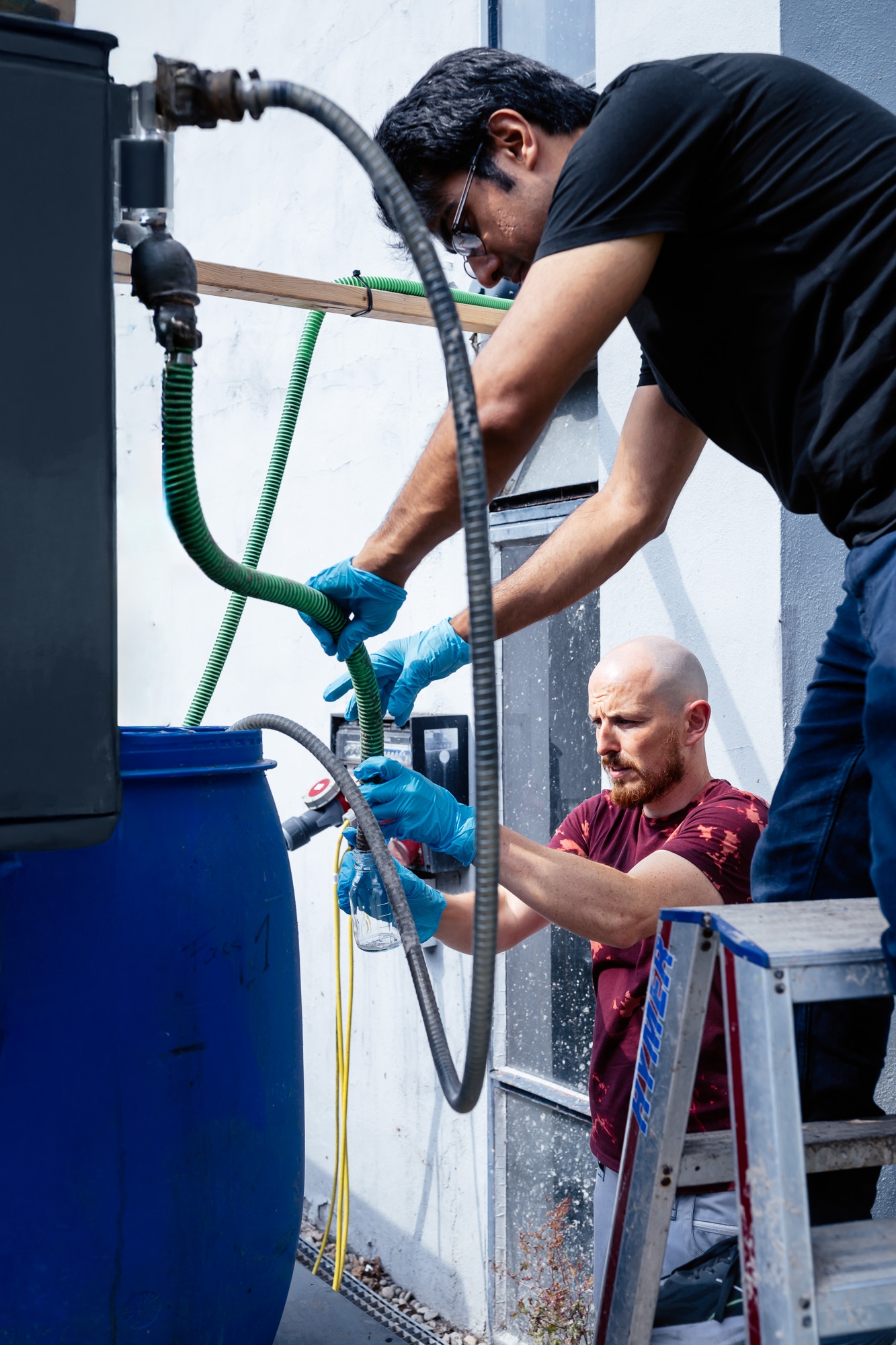
Traditional chemical catalysis usually produces a mixture or a specific variant,explains Sebastian Beblawy. But what makes EveryCarbon different is that, thanks to the bacteria, the company can control exactly which of the three variants to produce, or which composition it wants. Large chemical companies cannot compete with this flexibility for cost reasons.
We want to show that the process is scalable and can produce relevant quantities of product,says the CEO. He explains the key advantage of EveryCarbon:
With our technology, we can retrofit existing infrastructure and make it more lucrative. We talk about the 'carbon upgrade factor', which means we can increase the value per carbon by up to 80 times compared to biogas.
We want to show that the process is scalable and can produce relevant quantities of product.
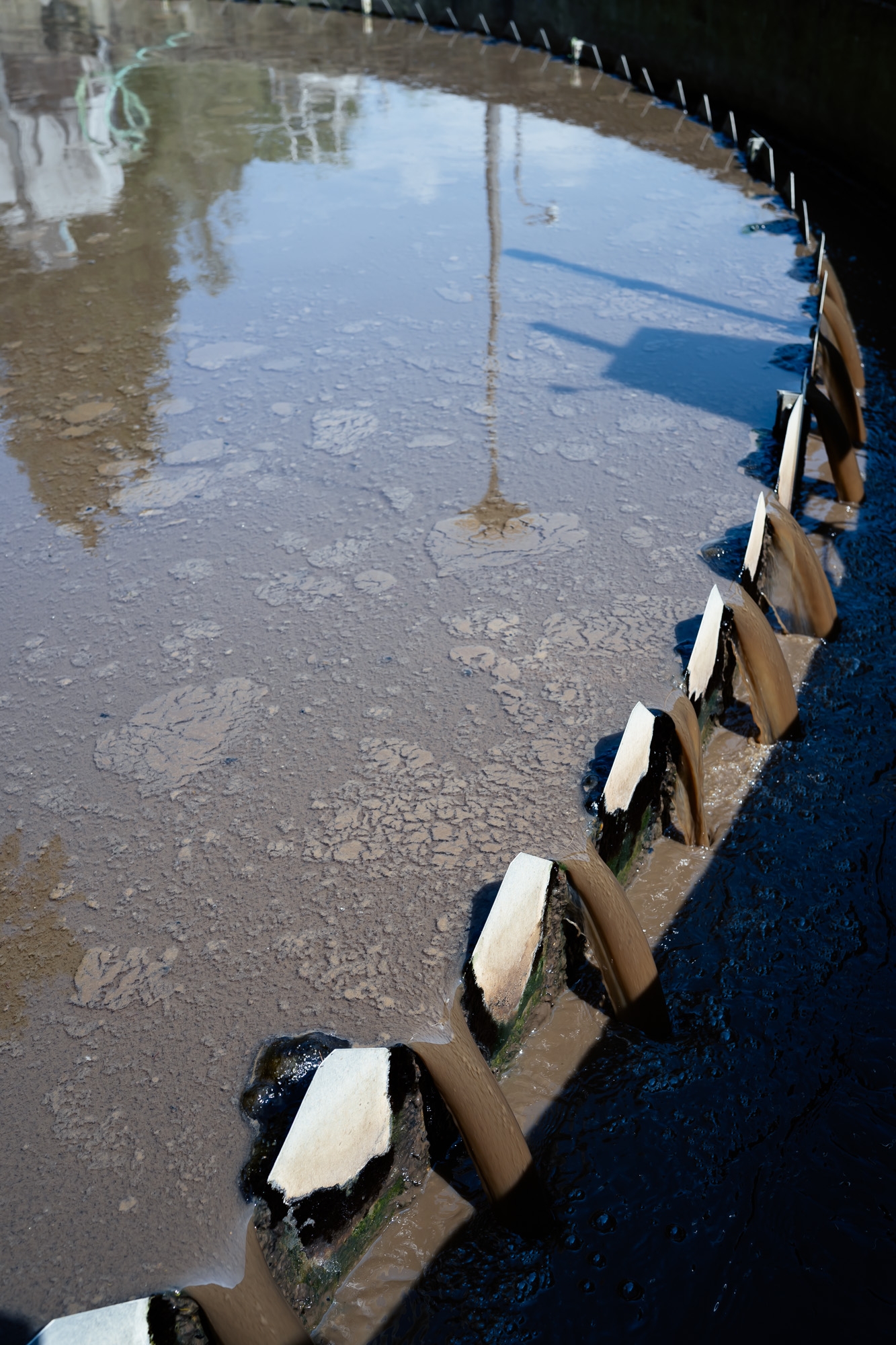
The first stage of the process is not the best in terms of odour,admits Sebastian Beblawy. After anaerobic digestion, the waste mixture is separated into a liquid and a solid phase. In the solid phase, the first process step is repeated; particularly stubborn waste is additionally treated.
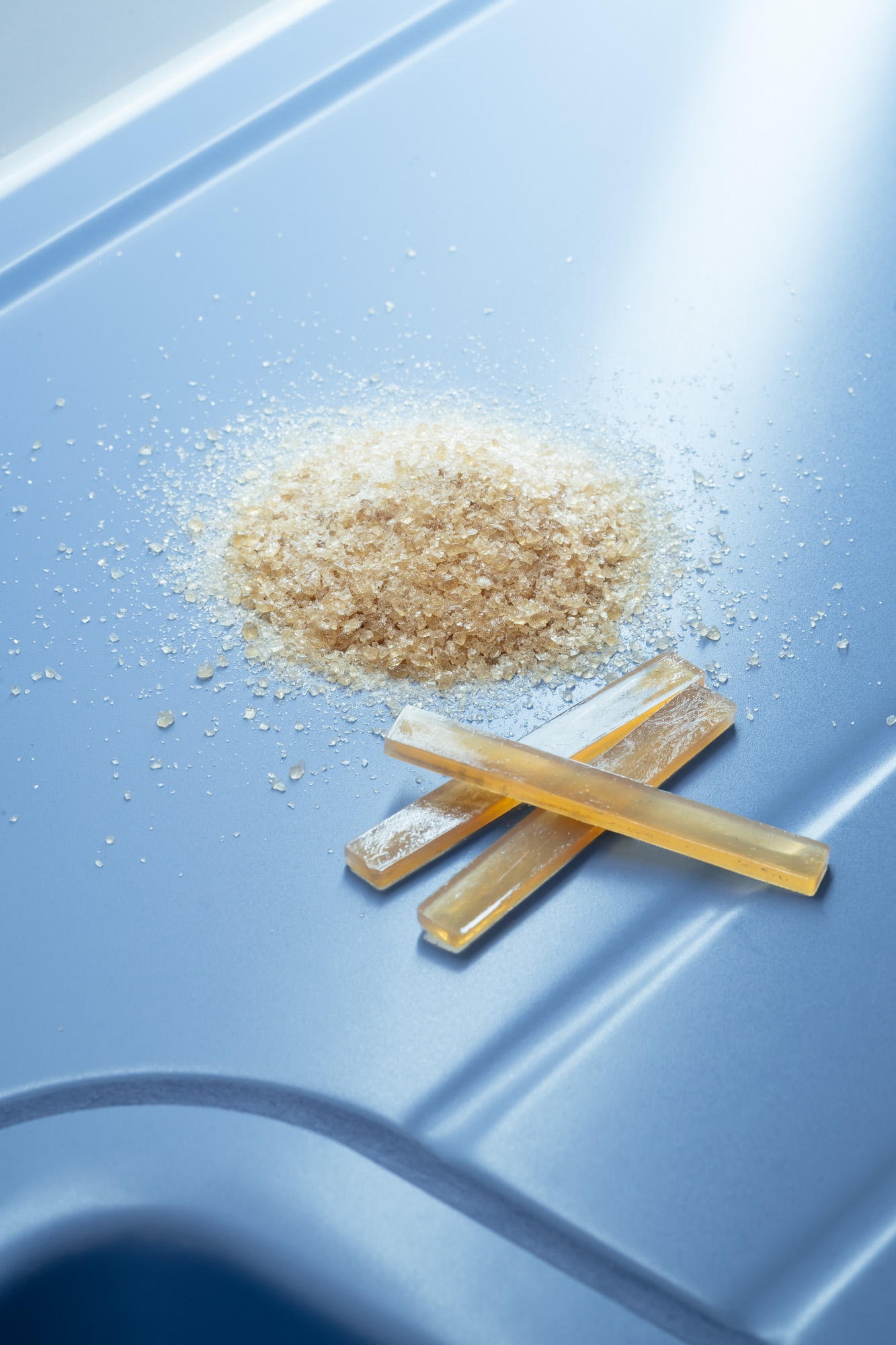
We use a genetically modified bacterial strain that can cope well with the complex and fluctuating process stream and produce a pure chemical substance from it: 2,3-butanediol,explains the microbiologist.
We can produce 2,3-butanediol, which behaves very differently mechanically and thermally than the classic mixture from chemical catalysis. For example, we can produce molecules with a much higher melting point,says Sebastian Beblawy, proudly explaining the advantages. The company has two strategies: The first is to replace existing materials on a one-to-one basis, and the second is to create new materials with new functions that can still be returned to the normal plastics cycle. In reality, however, recycling should only take place after many years. For Sebastian Beblawy, it is important that the end products are durable so that the original carbon in the waste is retained for as long as possible:
One future application would be building foams for the construction industry, for example.
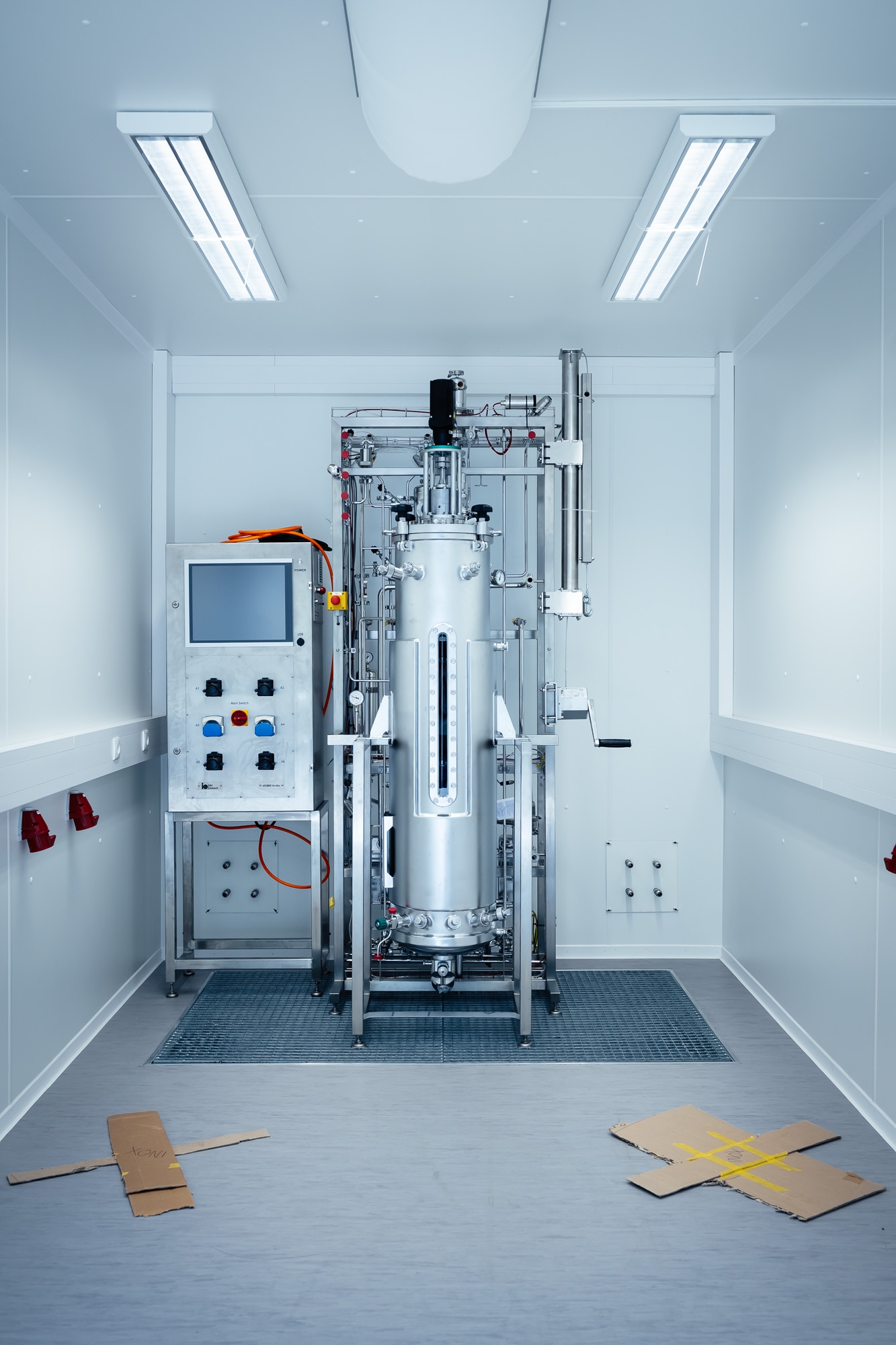
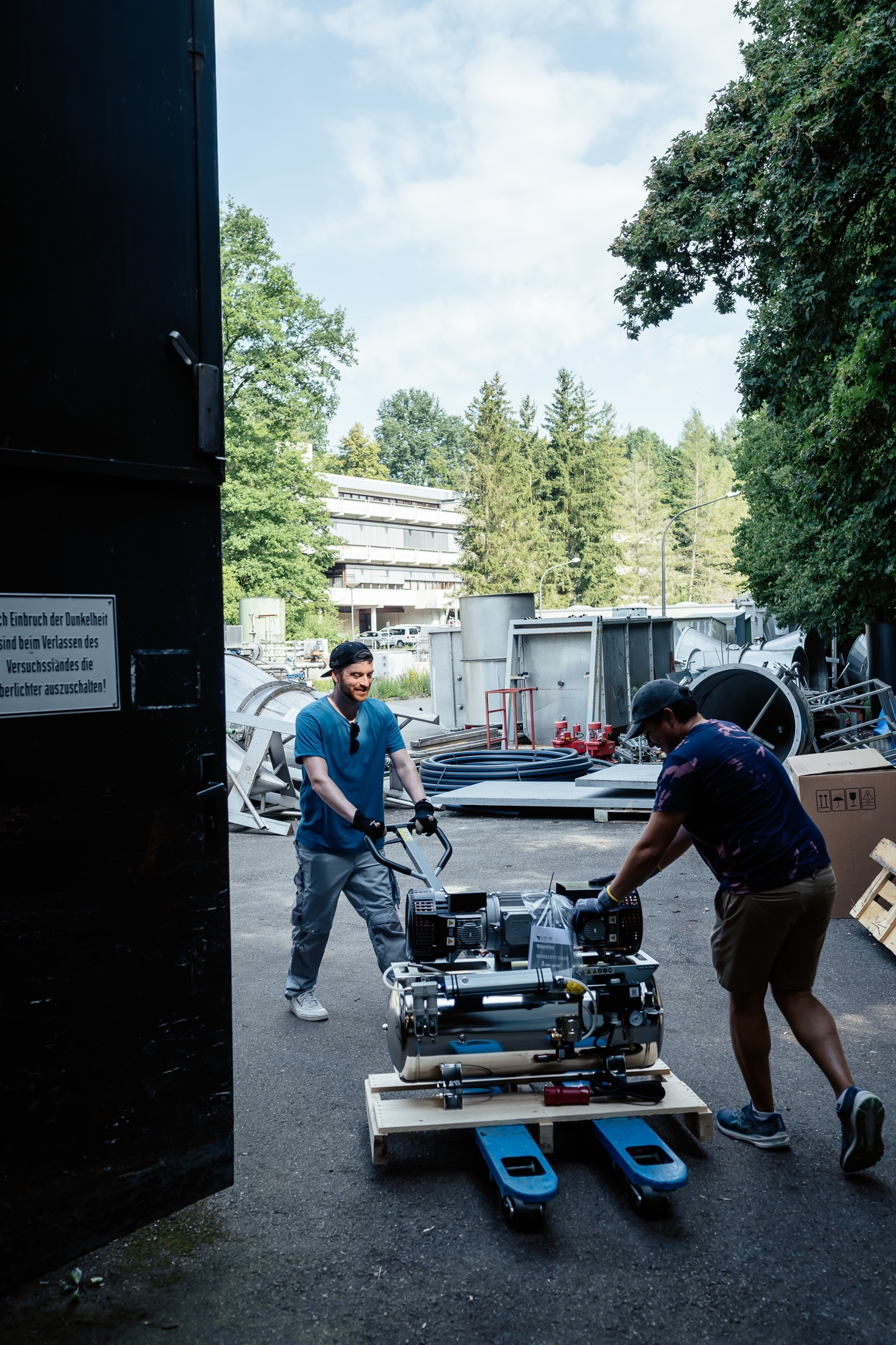
My way of thinking has changed a lot. Above all, you have to get used to entrepreneurial thinking.SPRIND supports him in this.
The Challenge is very much focused on the commercialisation of technologies,Sebastian Beblawy explains, adding:
It starts with the fact that the funding is not given as a grant, but as a pre-commercial contract. Whether you receive follow-up funding depends on whether you meet the terms of the contract. So you are guided towards commercial orientation from day one.
I learned about myself that I am creative chaos. I have a lot of ideas, but I need people around me who are more organised and structured.He found that balance in his team.
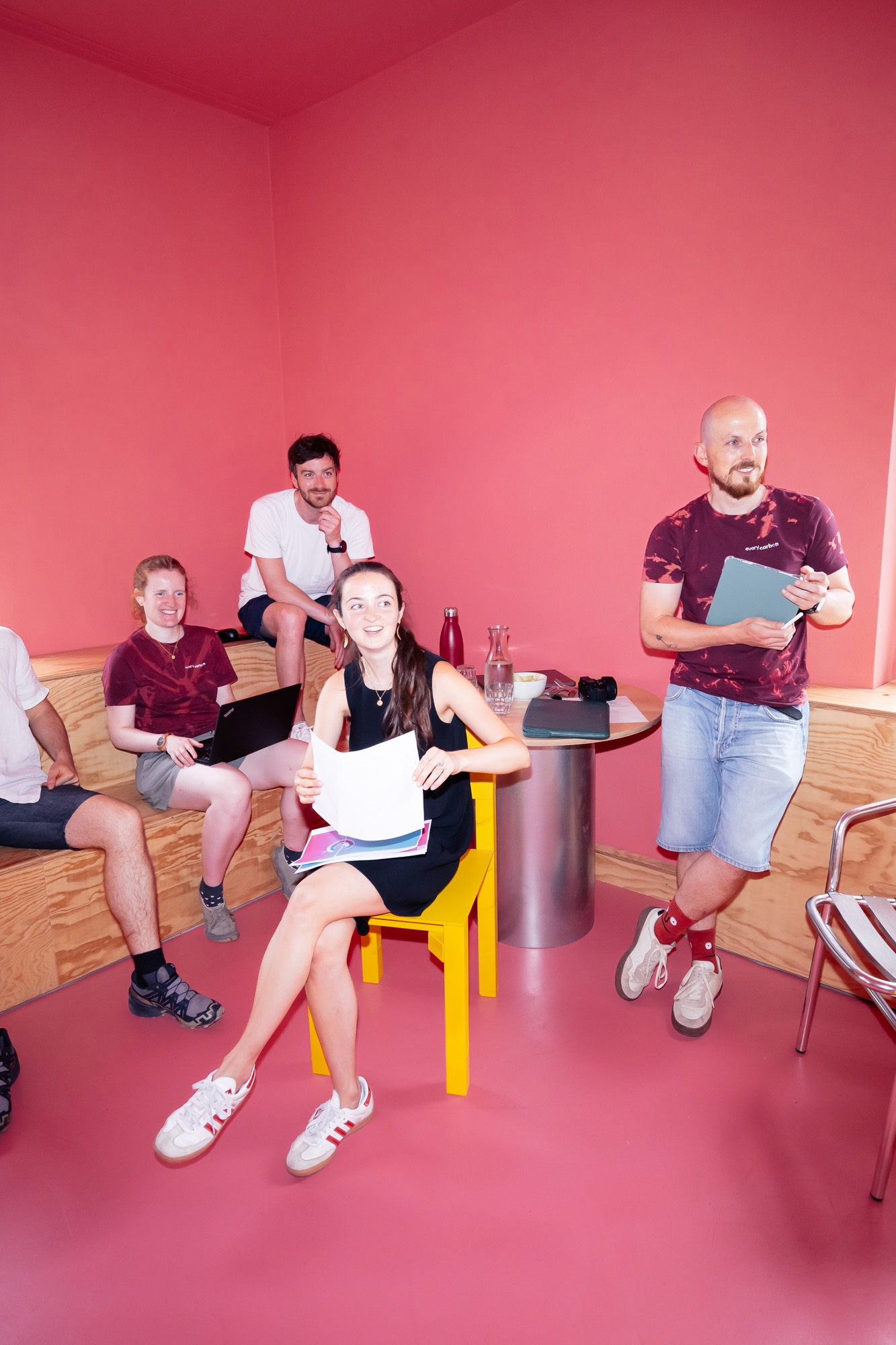
We’ve developed a team dynamic that works really well and and makes the whole process fun.