WASTE INSTEAD OF HONEY
How AmphiStar uses microbes to produce biosurfactants
Your Challenge:
Circular Biomanufacturing
Until now, our manufacturing processes have almost entirely been based on the use of newly, mined raw materials with not enough coming from the recycling of waste streams. This places an enormous burden on the environment and our society. In addition, dependencies remain in global supply chains that could be reduced through access to local materials.
Instead, we can create a circular economy in which new products are manufactured locally, using valorized waste streams as a source for raw materials, to build more sustainable and resilient production platforms.
To achieve this, biomanufacturing processes must be developed to market maturity and directly integrated with modern production processes. Scientific advances in recent years have produced new findings and methods that can significantly increase the performance of biomanufacturing processes and open up new application possibilities. Although alternative ways of producing a wide range of products to replace the conventional petrochemical or chemical manufacturing processes have gone to market, breakthroughs have so far only been achieved in niche applications. We need to reach the goal where the majority of bulk products are made through biomanufacturing processes that enable the use of locally available raw materials.
00:00
The prototype must demonstrate how carbonaceous waste streams can be processed and fed to microbes as food. The overall bioproduction process shall not use E. Coli or Saccharomyces cerevisiae and shall demonstrate continuous production over a period of at least 180 days during the Challenge. At the end of the process, at least three different products should be produced using a modern manufacturing process, such as additive manufacturing.
The Challenge started in November 2023 and runs over a three-year period. A panel of globally recognized experts assisted SPRIND in evaluating the applications and selected the participating teams. During the Challenge period, teams further develop their bioproduction technology to achieve the Challenge goal.
Teams participating in this Challenge are fully challenged. SPRIND therefore provides intensive and individual support. In order to unleash the full potential, SPRIND provides a coach to accompany each team's work, advise them and network them. After one year and after two years, the jury reconvened in each case to evaluate the interim status and decided which approaches have the greatest breakthrough innovation potential and which teams can prove themselves in the Challenge until the end.
In October 2025, the expert jury selected the participants for the third stage of the Circular Biomanufacturing Challenge. Over the next twelve months, five teams will each receive up to €2.5 million to further develop their technology. The teams will also be supported and advised by SPRIND and connected with other experts and coaches. At the end of the year, a decision will be made as to which teams will win the challenge.
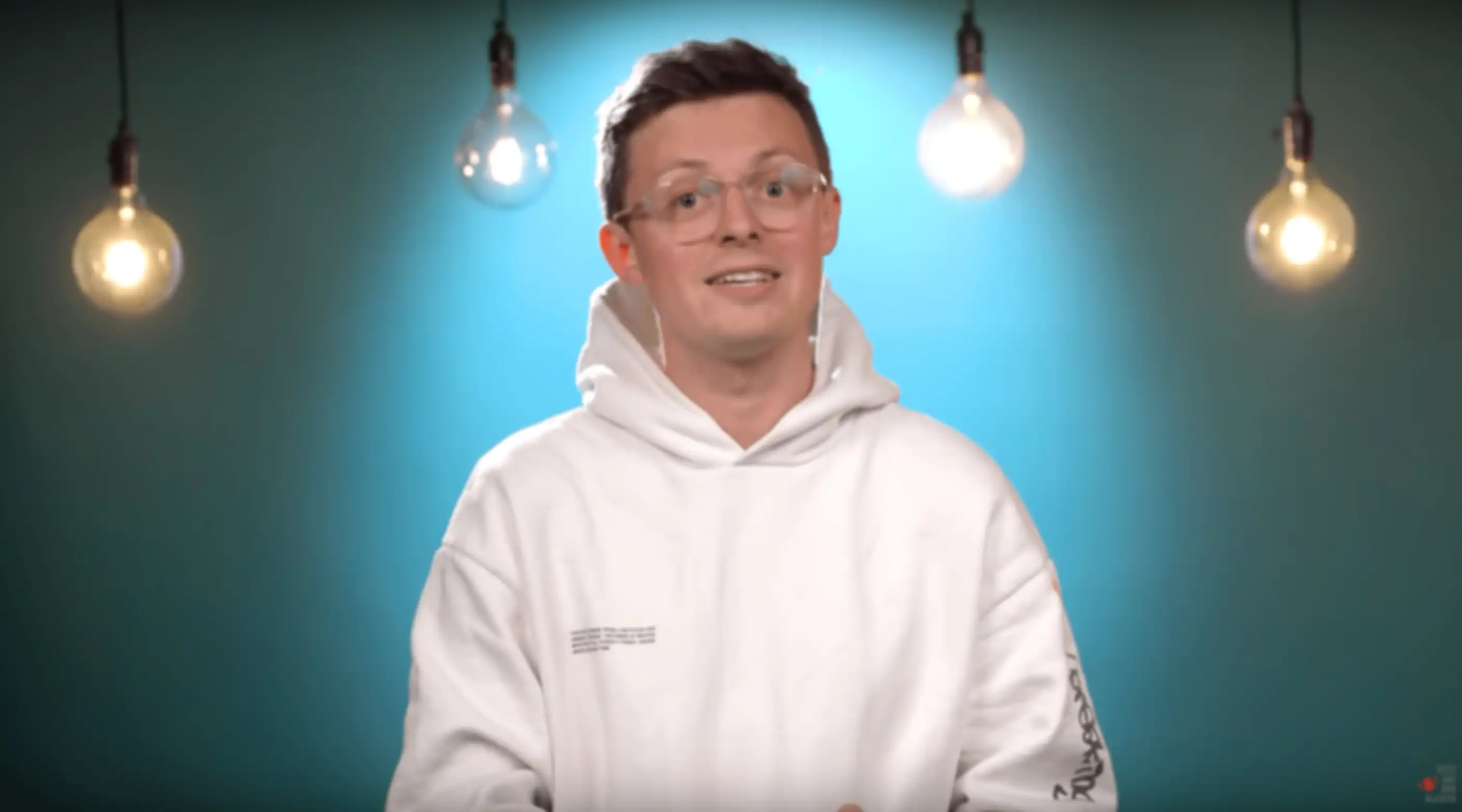
Science Youtuber Jacob Beautemps introduces the Challenge teams at Breaking Lab
Please feel free to contact us at challenge@sprind.org.
More about this topic
More Challenges and Funken
How AmphiStar uses microbes to produce biosurfactants
It's a huge market, there are thousands of different traditional surfactants,says Bernd Everaert, explaining:
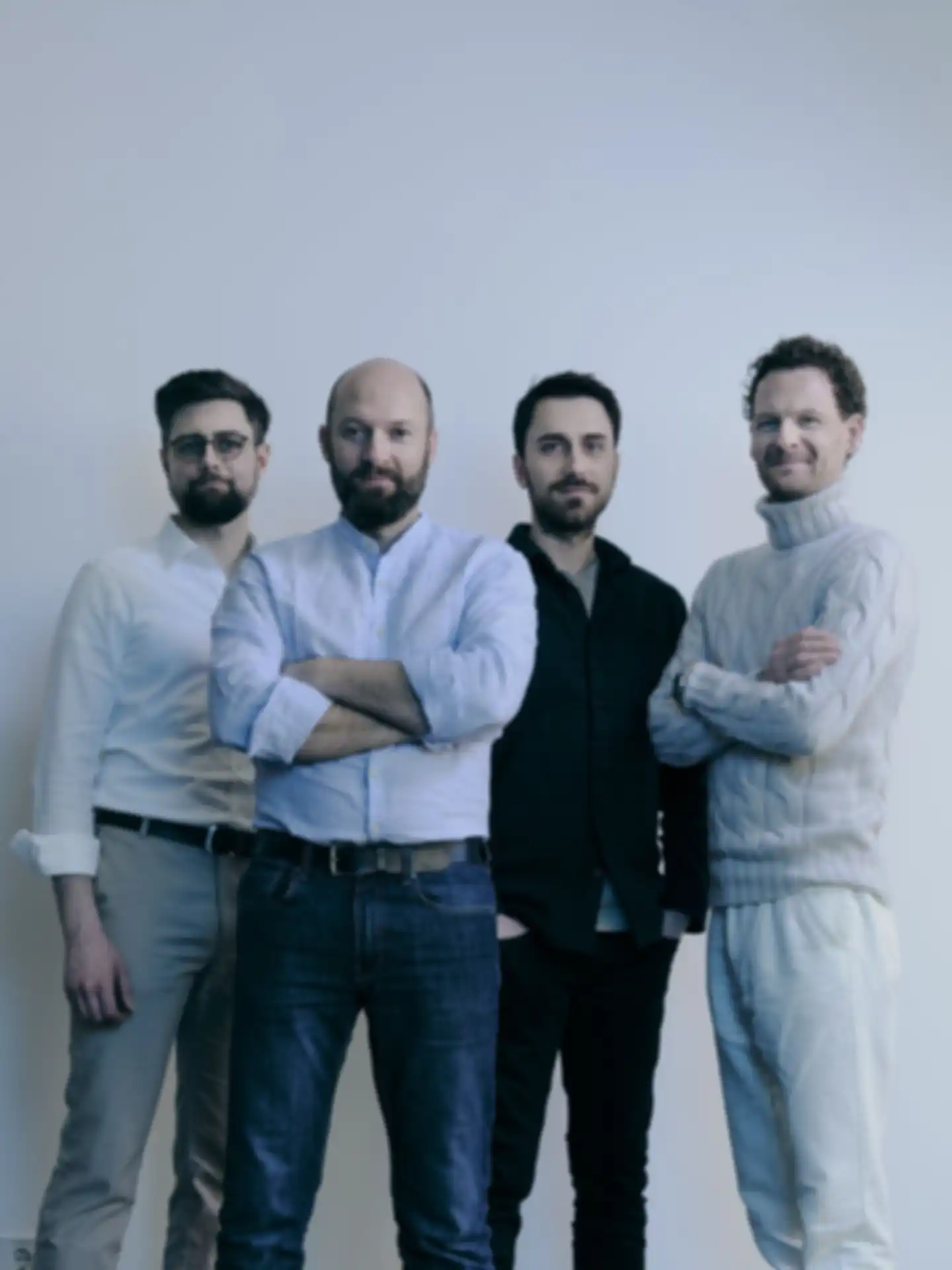
Surfactants are surface-active molecules that can perform a wide range of different functions. Some are good at degreasing; others create foam or mix oil and water.The problem is that most surfactants are made from fossil or tropical feedstocks such as palm oil, and are converted into surfactants using energy demanding processes often requiring toxic byproducts. This is not sustainable, so Bernd Everaert wants to do better. Together with four co-founders, he founded the company ‘AmphiStar’ in 2021. The company's mission: sustainable surfactants fully derived from waste.
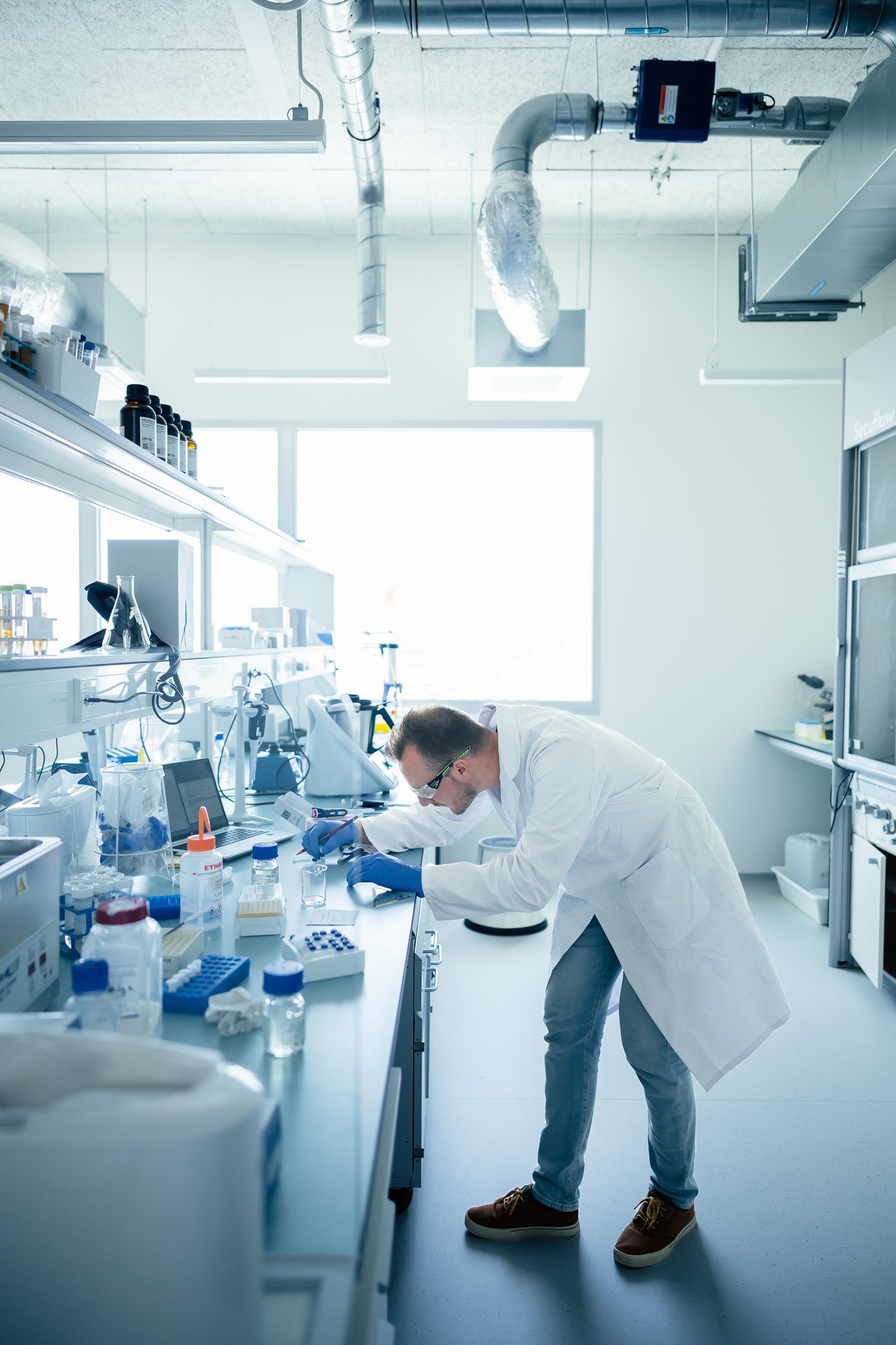
The core of our technology is based on microorganisms that naturally produce biosurfactants,explains AmphiStar's CTO.
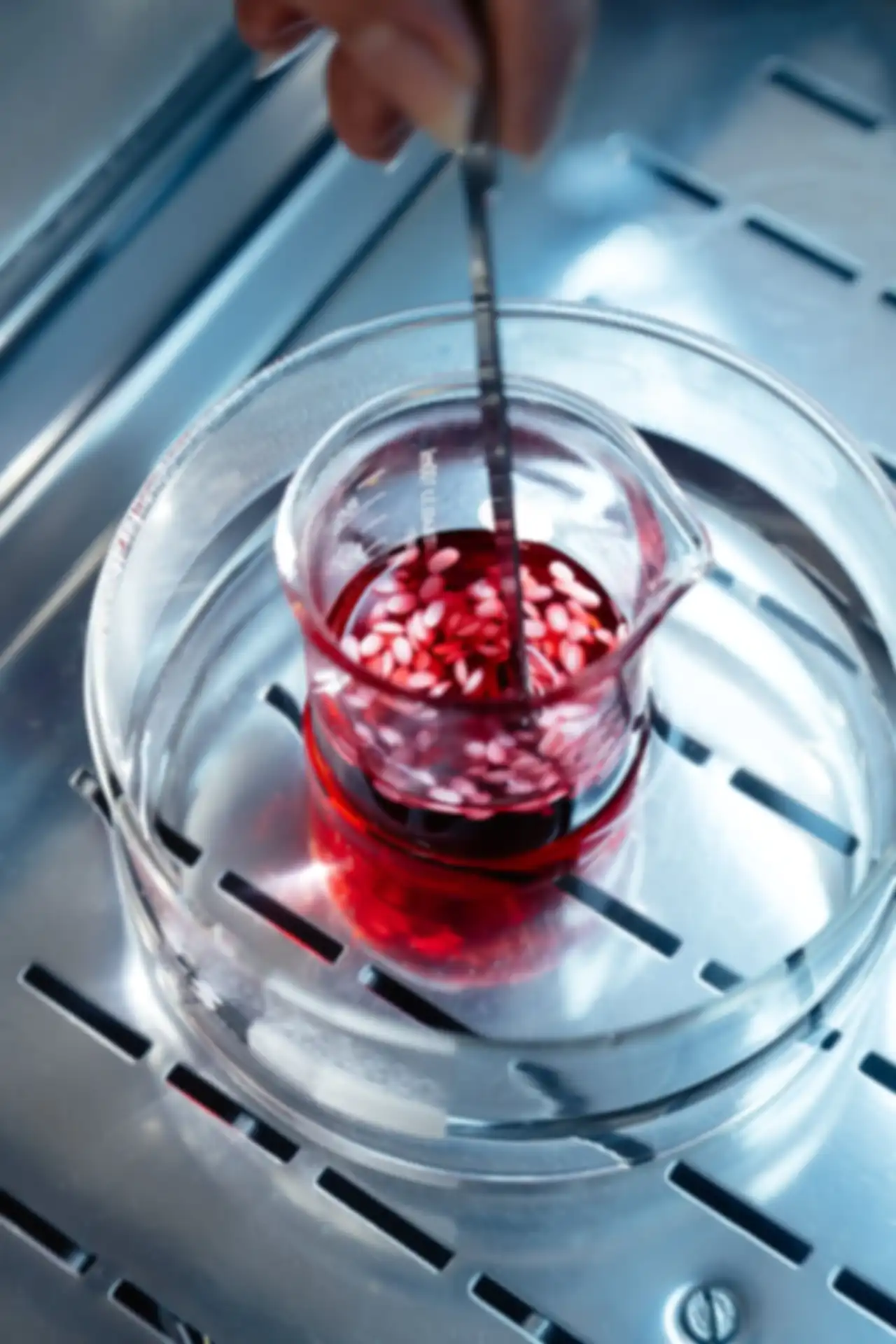
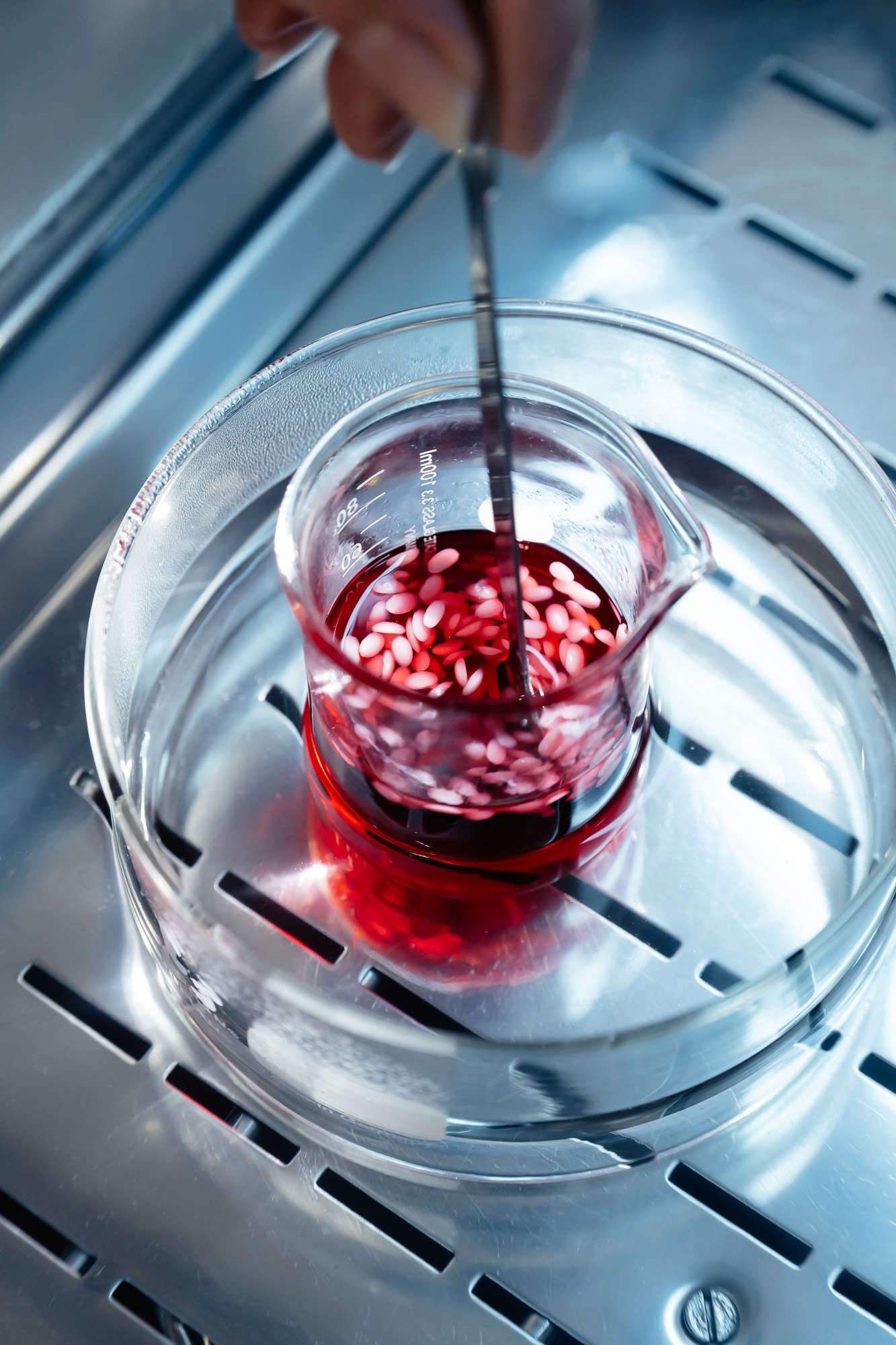
One of our biocatalysts – a yeast – was isolated from bumblebee honey in the 1970s.The theory that the yeast produces biosurfactants as an extracellular carbon storage was developed at the University of Ghent, of which AmphiStar is a spin-off company. In spring and summer, it feeds on bumblebee honey. In winter, it draws on its own reserves. Only the yeast can break down the surfactants to use them for energy production, while other microbes cannot.
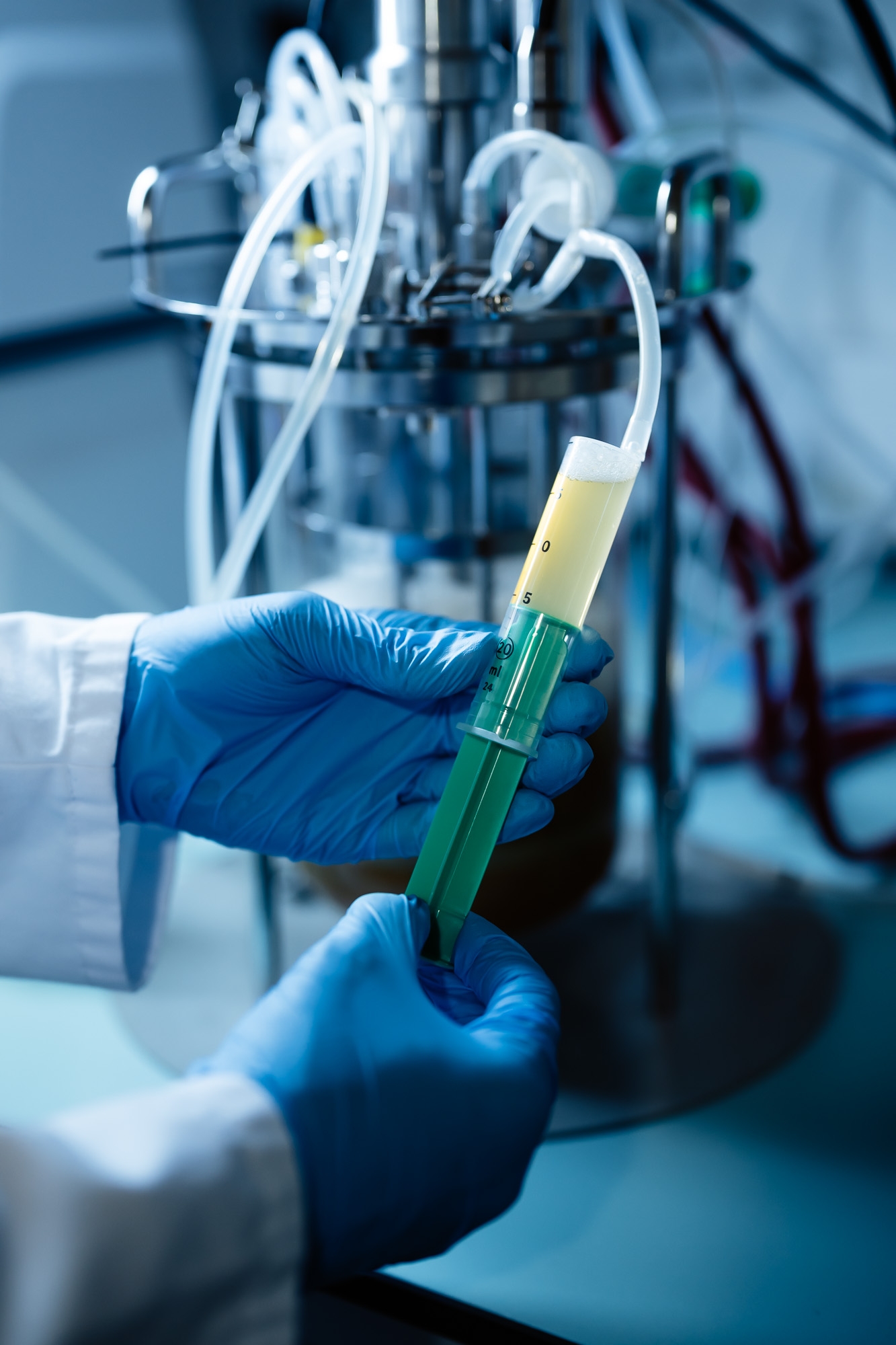
The surfactants are not only bio-based, they are also mild for the skin,says Bernd Everaert. This makes them interesting for skin and body care products. While the bumblebee honey-eating yeast normally produces a complex mixture of around 100 different surfactant congeners, AmphiStar's genetically modified yeast produces a more narrow product range.
We now have a database of more than 500 yeast strains, of which we can use at least 25 to produce specific biosurfactants,says Bernd Everaert proudly.
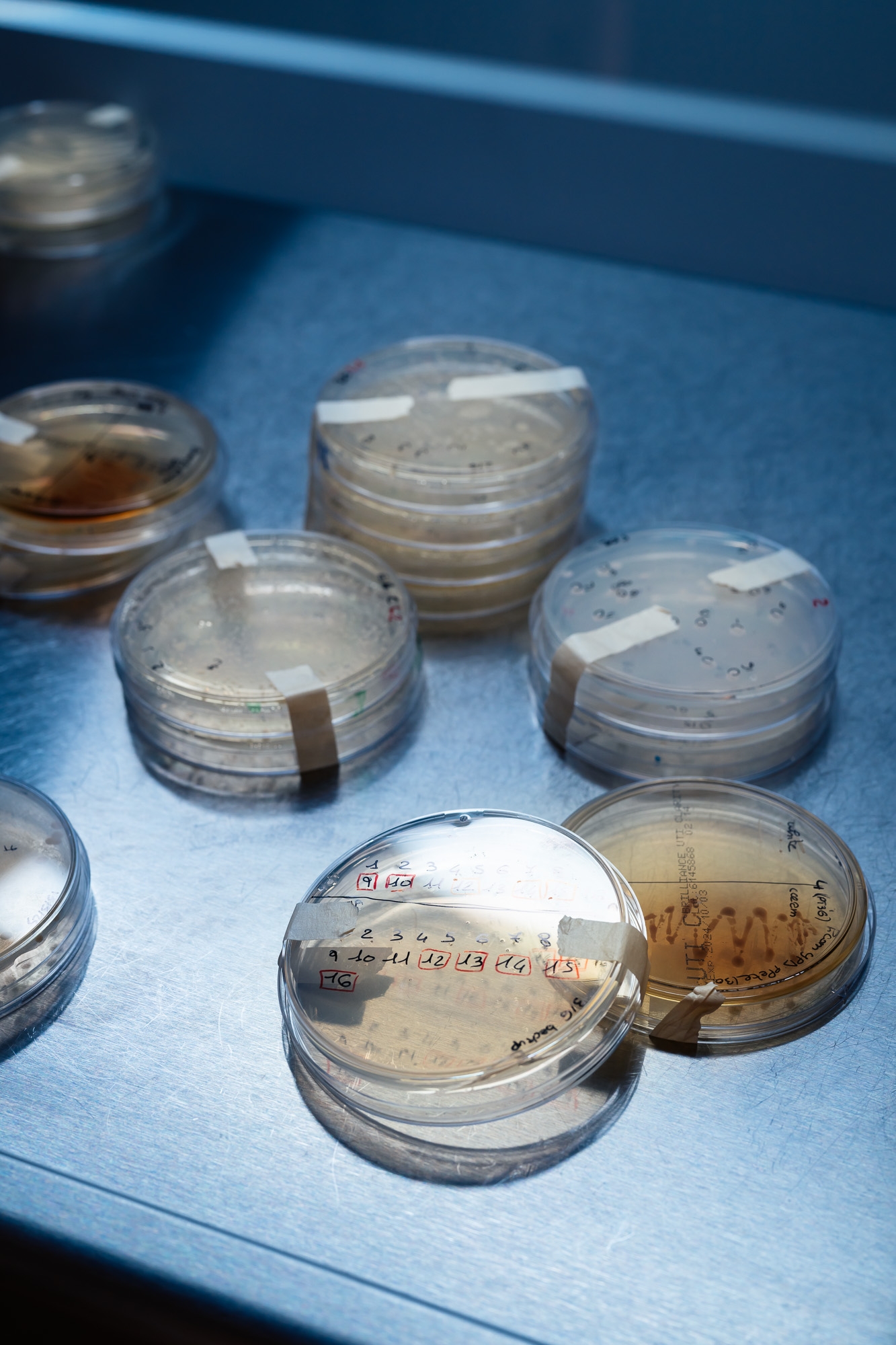
Waste is not necessarily free,says Bernd Everaert,
there are usually already recycling routes for it.Often, organic waste is fed to animals, used in biogas plants or incinerated for energy production.
But by using waste, we can reduce the environmental impact of surfactant production on a large scale. Not only in terms of global warming expressed in CO₂ emissions, but also in terms of other impact categories such as land use and pressure on natural water reserves.
We usually need a sugar and a fat source. But from wood and paper waste to food waste or even crude glycerine, our robust microorganisms can handle it,says Bernd Everaert.
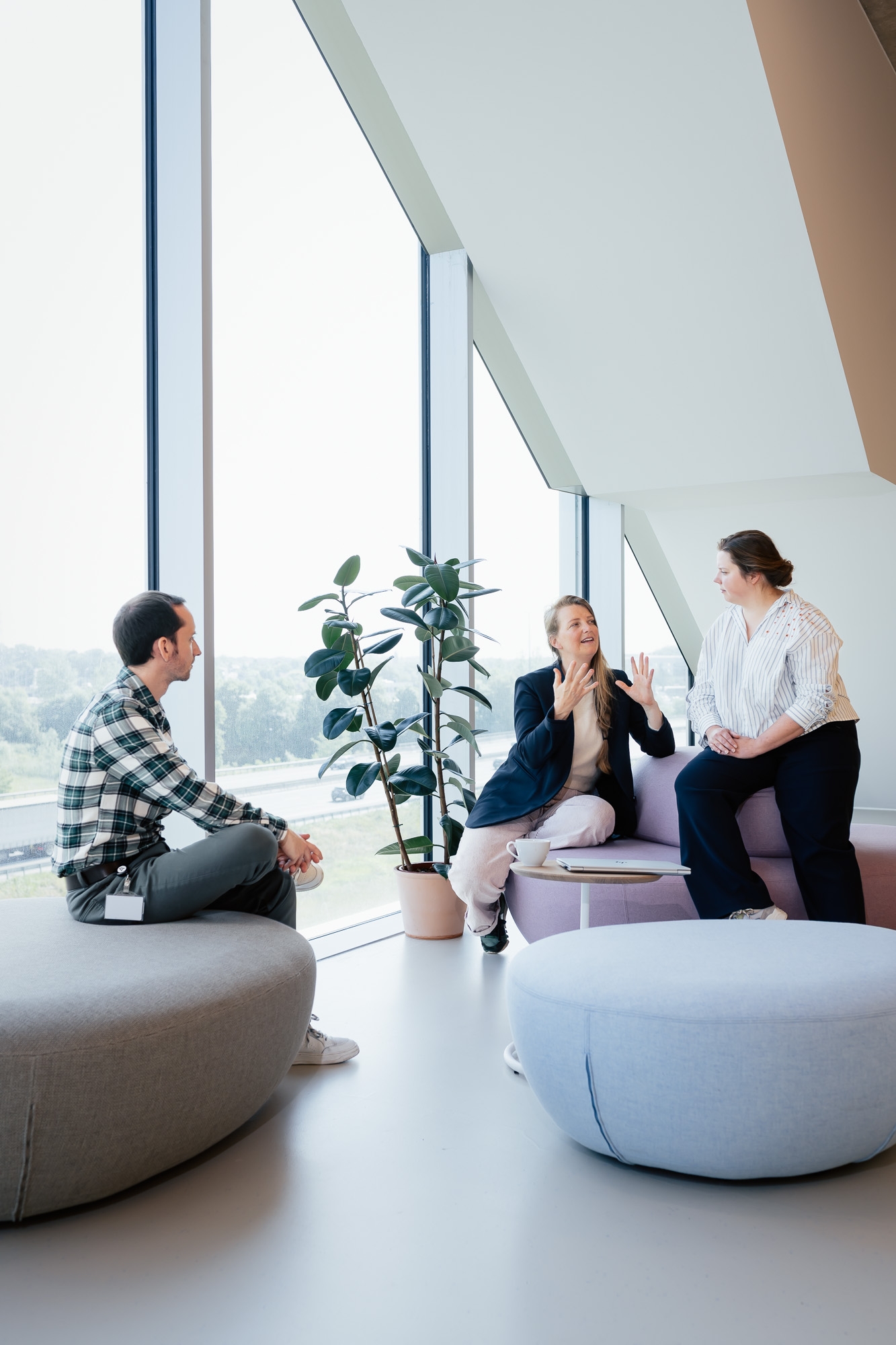
Before the SPRIND Circular Biomanufacturing Challenge, we were actually pretty close to having our backs against the wall. We were talking to investors, but we had almost no money at the time,recalls Bernd Everaert.
I was the only one working full-time for the company, while the other founders were still working in their previous jobs and worked for AmphiStar in the evenings and weekends.
One of our biocatalysts – a yeast – was isolated from bumblebee honey in the 1970s.
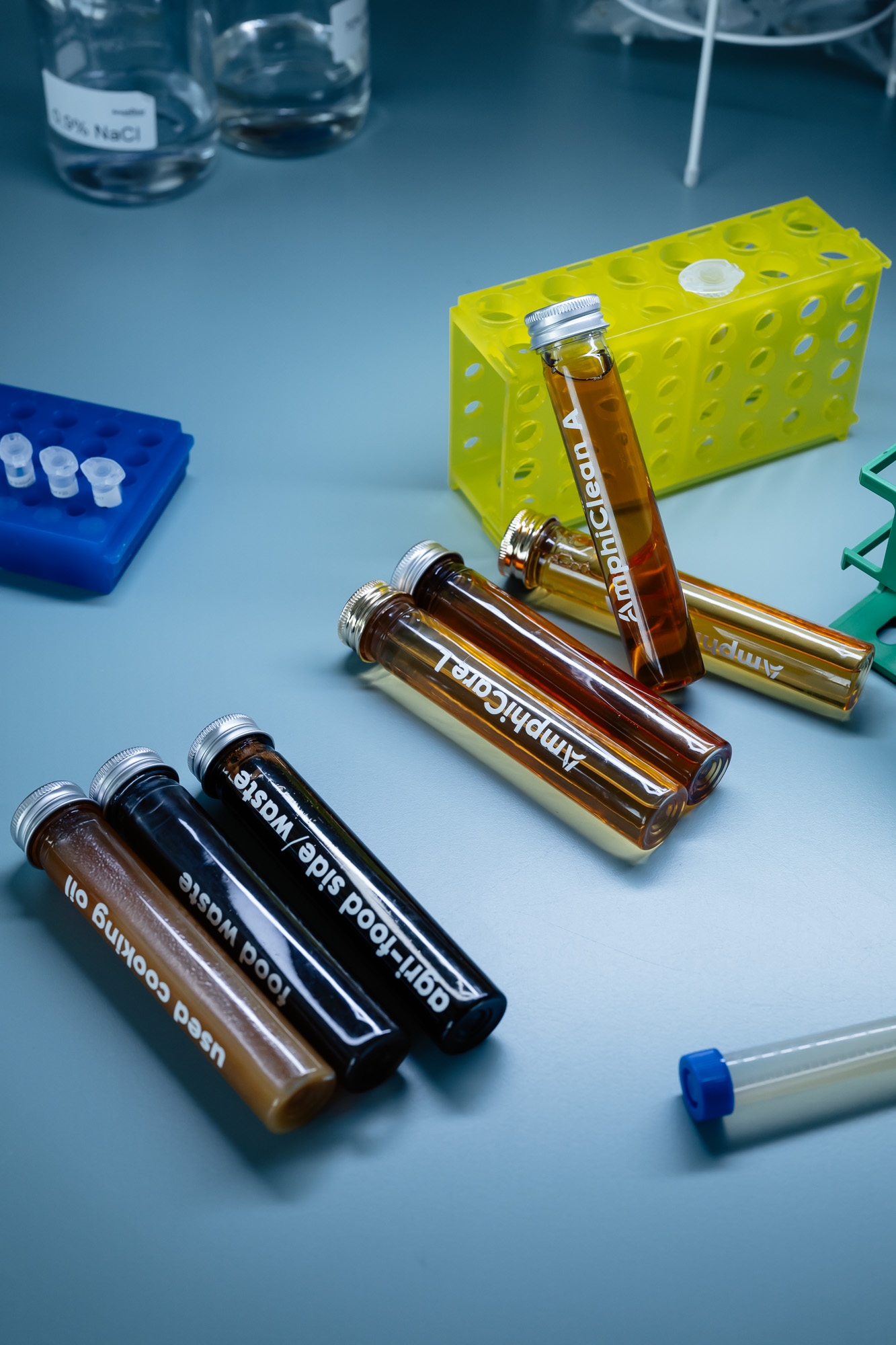
Our ambition is for biosurfactants to become mainstream.
We were a bit surprised at how little administrative work was involved and how much money we actually received,admits Bernd Everaert. The SPRIND funding is a catalyst for the young company. It enabled AmphiStar to build out the lab, other founders were also able to join the company, and more staff were hired.
We were used to it being quite difficult to make changes in EU-funded projects. It's quite different with SPRIND. SPRIND tells you if something doesn't work, try something else. You're encouraged to think outside the box and try the most unconventional ideas or approaches. The more out of the box, the better.Bernd Everaert is enthusiastic about this flexibility, which he believes is much more suited to start-ups and the importance true innovation has at that stage.
Prof. Wim Soetaert is both a professor at the University of Ghent and CEO and founder of the Bio Base Europe Pilot Plant, an innovation pilot plant for the industrial development of bio-based processes. He and Dr Sofie De Maeseneire supervised Dr Sophie Roelants at the University of Ghent in her PhD research on microbial biosurfactants, who in turn supervised me for my Master's thesis at the Bio Base Europe Pilot Plant, and I later supervised Karolien Maes‘ thesis there,explains the 33-year-old, outlining the network of founders.
Our ambition is for biosurfactants to become mainstream. We are aiming for decentralised production plants that work with different types of waste depending on the region. To replace really large quantities of surfactants, we will join forces with others,says Bernd Everaert, summarising the goals of the founding team.
We are not here just to do something out of scientific curiosity, we really have big ambitions and we really want to make an impact and change the world for the better.