

THREE BILLION YEARS OF EXPERIENCE
How CRISPR/Cas13 severs RNA viruses
Your Challenge:
Broad-Spectrum Antivirals

Viruses are an unpredictable threat to global health, the economy and society - we have known this at least since the SARS-CoV-2 pandemic. Several million people have died since the beginning of the pandemic. There is still a lack of effective therapeutics against SARS-CoV-2 and emerging variants. The truth is: there are still no therapeutics against many other viruses either. Potentiating viral loads, high mutation rates and limited targets are inherent to viruses, making them true survival artists
and placing high demands on drug development. The great desire to overcome the pandemic helped new technologies based on mRNA and equally new ways in drug delivery to achieve a rapid breakthrough in vaccine development – contrary to the expectations of many experts.
Similarly, breakthroughs in antiviral drug development are needed. Highly innovative approaches are required to combat viral infections. That is why SPRIND was supporting new technological approaches for breakthrough innovations to combat viral infections with this Challenge.
00:00
The goal of the Challenge was to expand the repertoire of antiviral therapeutics with breakthrough technologies so that new treatment options will be available in the future and patients can be helped quickly. The Challenge teams were developing approaches for broad-spectrum antivirals and platform technologies for the rapid development of antiviral agents. At the end of the Challenge, the active agent resulting from the solution approach had to be tested in a proof of concept adapted to the development stage.
Participating in the Challenge pushes the teams to their full potential. We therefore provide intensive and individual support. This includes funding the teams as well as individual support from a Challenge coach, who has significant experience in the Challenge area and has already implemented high-impact innovations.
The challenge was launched in November 2021, SPRIND funded the teams' work with up to 700,000 euros in the first year. The remaining teams were funded with up to 1.5 million euros in stage two beginning in November 2022 and up to 2.5 million euros during the third year. We provide funding quickly and unbureaucratically, so that the teams can concentrate fully on their innovations. Four teams emerged as winners of the Broad-Spectrum Antivirals Challenge in October 2024.
Thinking one step further: Ideas with the potential for disruptive innovations must be brought to market to benefit patients. That is why SPRIND continues to support projects with potential for breakthrough innovation even after the Challenge has ended.
00:00
Science Youtuber Jacob Beautemps introduces the six Challenge teams of stage 2 at Breaking Lab

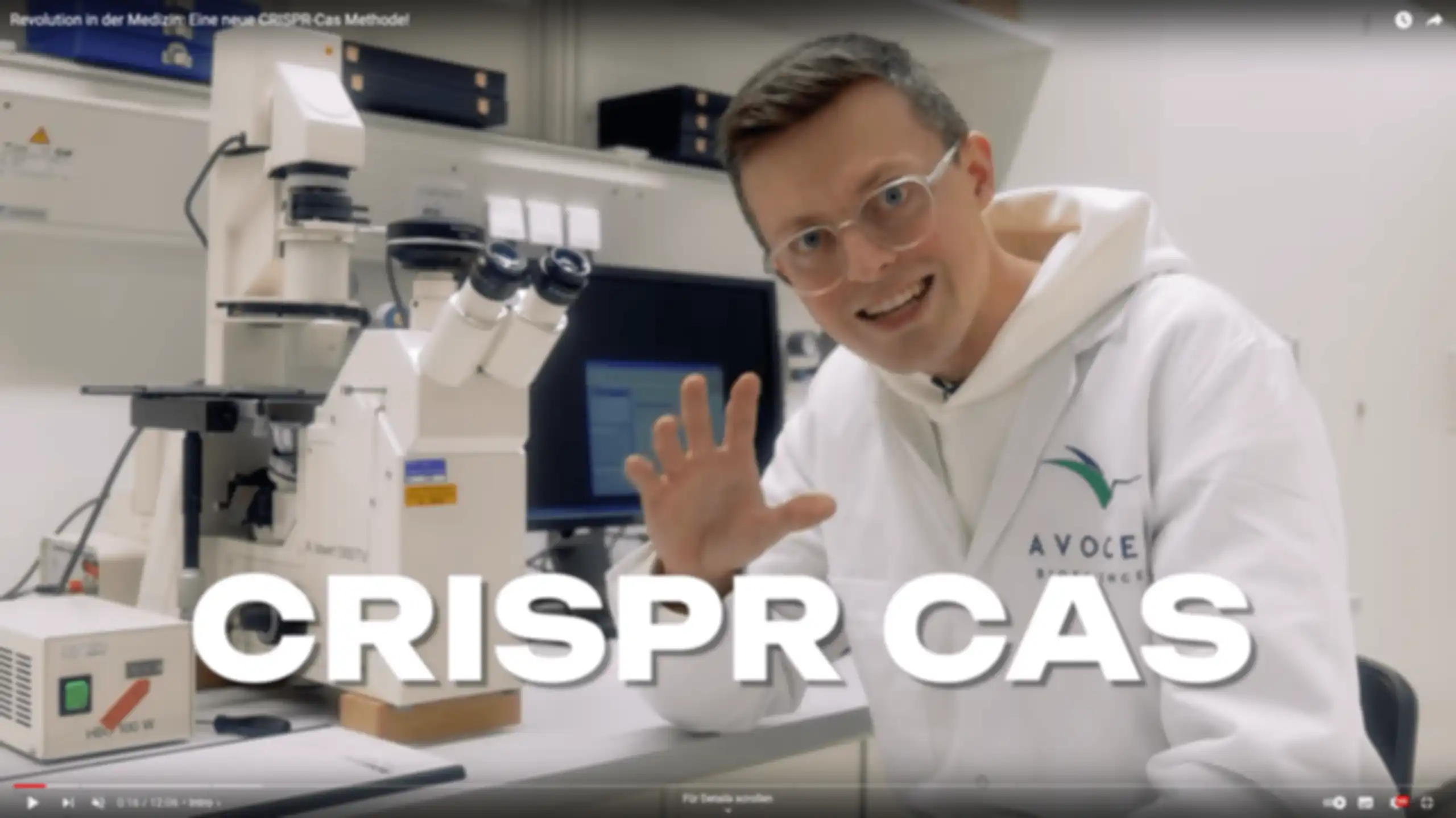
Revolution in medicine? Jacob Beautemps takes a closer look at CRISPR CAS technology
Our jury of scientists and science entrepreneurs will evaluate all applications and select the teams that have what it takes to implement breakthrough innovations.

Joachim Spatz
Karin Mölling

Detlev Riesner
Nikolaus Rajewsky

Manfred Schubert-Zsilavecz

Holger Reithinger
February 28, 2022
What is an Innovation Challenge
? What role is played by competition and cooperation? And what are the current SPRIND challenges about? Our host Thomas Ramge asks: Dr. Diane Seimetz, co-founder of Biopharma Excellence and innovation coach, and Dr. Jano Costard, Challenge Officer of the Federal Agency for Disruptive Innovation.
Listen to the episode (in German).
If you have any questions or suggestions, please feel free to contact us at challenge@sprind.org.

More Challenges and Funken
How CRISPR/Cas13 severs RNA viruses
CRISPR/Cas9 has its origins in bacteria where it combats DNA viruses, and it is already being used in a variety of clinical applications, for example for the therapy of hereditary diseases,explains Prof. Dr. Elisabeth Zeisberg, a medical scientist from the University of Göttingen. But bacteria do not only defend themselves against DNA viruses. Thanks to an enzyme called CRISPR/Cas13, bacteria can also cleave RNA viruses, rendering the viruses harmless.
In the case of SARS-CoV-2, we have identified 31 such RNA sites along with their corresponding guide RNAs, and seven of them are optimal in a model system.
CRISPR/Cas9 has its origins in bacteria where it combats DNA viruses, and it is already being used in a variety of clinical applications, for example for the therapy of hereditary diseases.
All the optimal guide RNAs cover 100% of all other previous variants, and mind you, we identified these at a time when only the Wuhan variant of the SARS-CoV-2 virus existed,says Elisabeth Zeisberg. Optimistically, she adds,
This makes it likely that variants unknown to us today can also be treated effectively in the future.
packaging materialaround the CRISPR/Cas13 is made:
The question is how we get the therapy where we need it—in the case of SARS-CoV-2, in the respiratory tract. That is the focus of our current work, to develop a formulation so that we can develop an effective nasal spray or an effective inhaler.
It was obvious to us that we could use CRISPR/Cas13 as an antiviral therapy for humans, like nature’s gift in a way,says Zeisberg, founder of Avocet Bio GmbH. In fact, within a very short time, Zeisberg and her team showed that CRISPR/Cas13 reduces the infectivity of cells infected with SARS-CoV-2 by 99 percent. And not only has the proof of concept in the cells been successful, the first animal experiments have also been effective.
Hamsters infected with SARS-CoV-2 show a significant reduction in lung damage,reports Elisabeth Zeisberg.
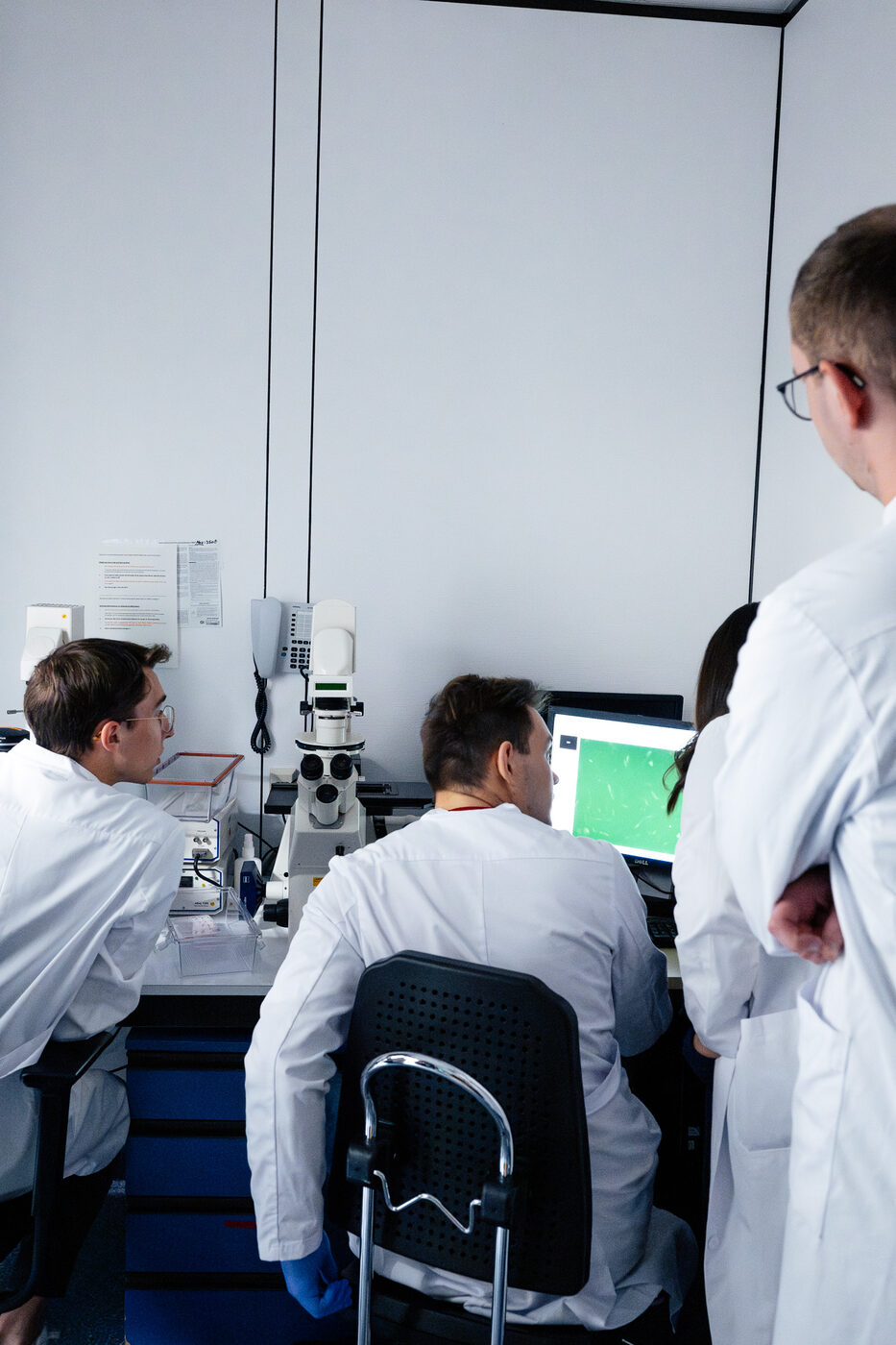
To this day, if you have not been previously vaccinated, you have to be treated within a very short period of time after contracting the disease, otherwise there is simply no effective treatment. As a result, about 60,000 people die from rabies every year,says Elisabeth Zeisberg, explaining her motivation.
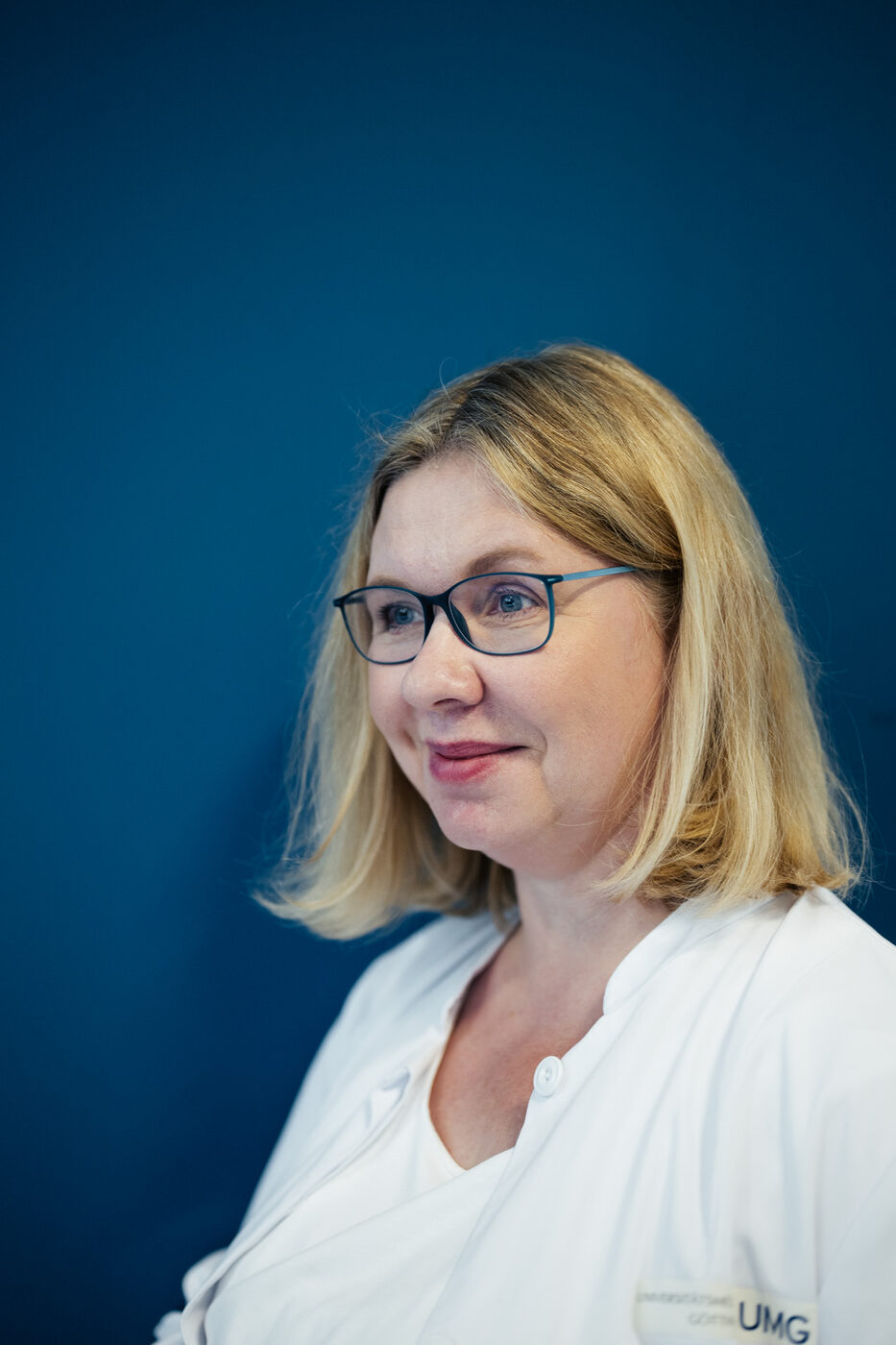

But I also enjoy teaching and supporting young scientists,she adds.
Women still have it harder than men when they have children and work full-time. I want to encourage young women to follow their aspirations.